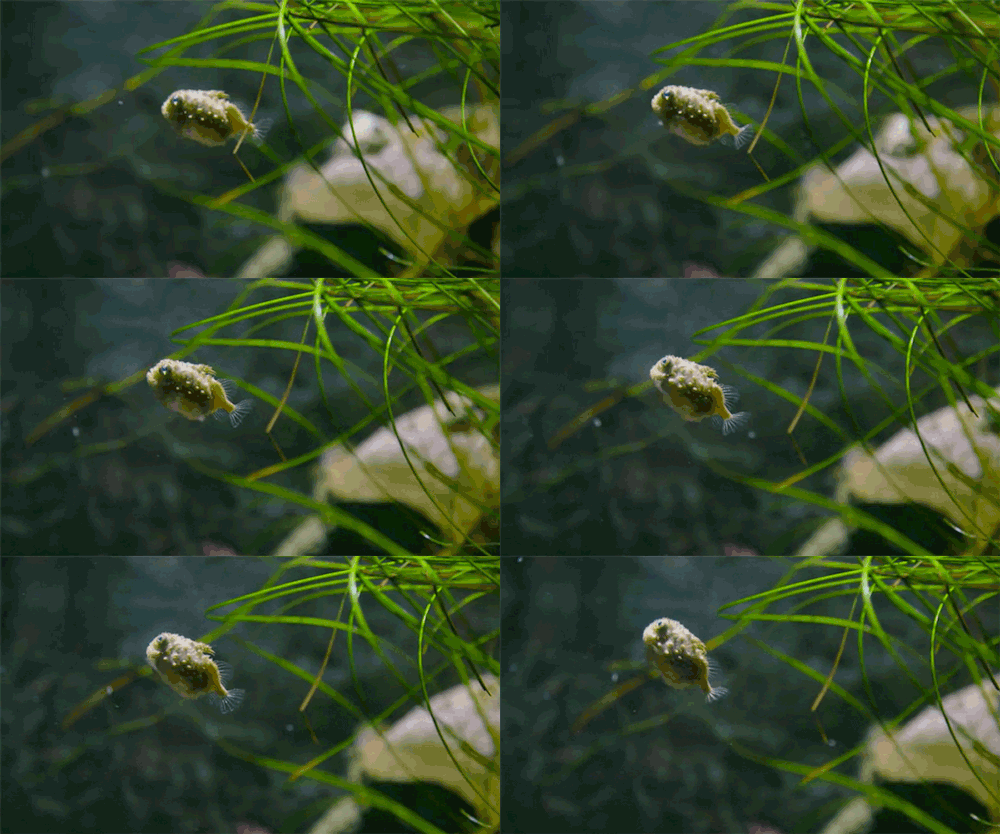
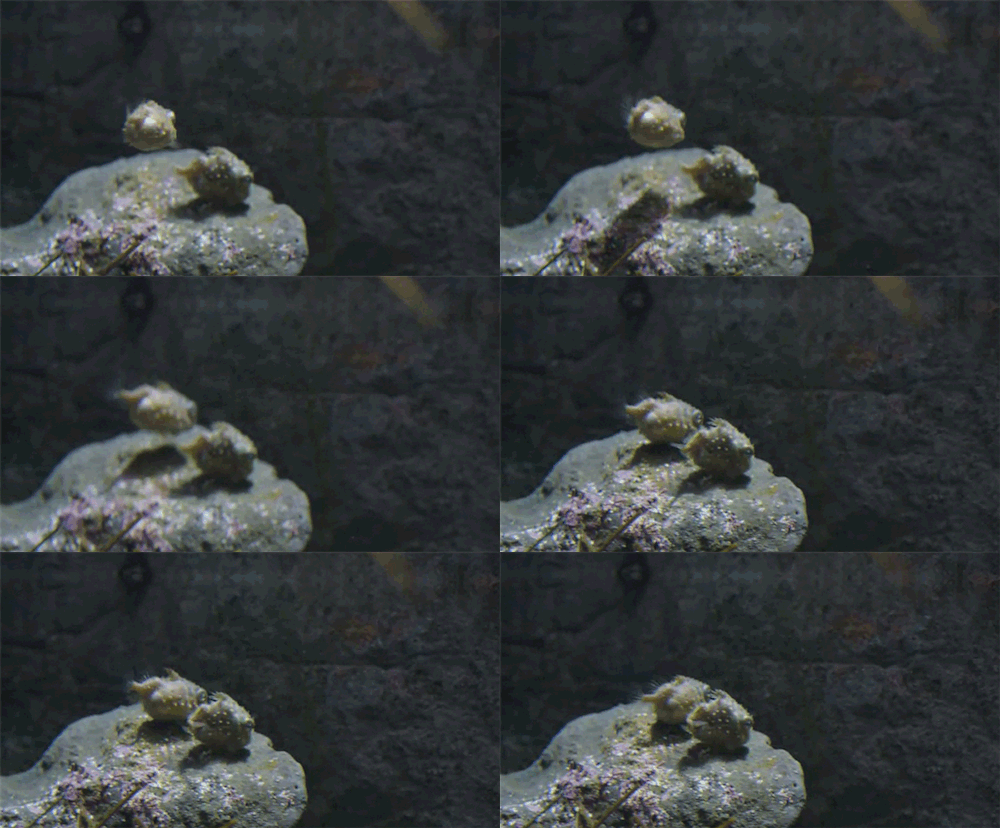
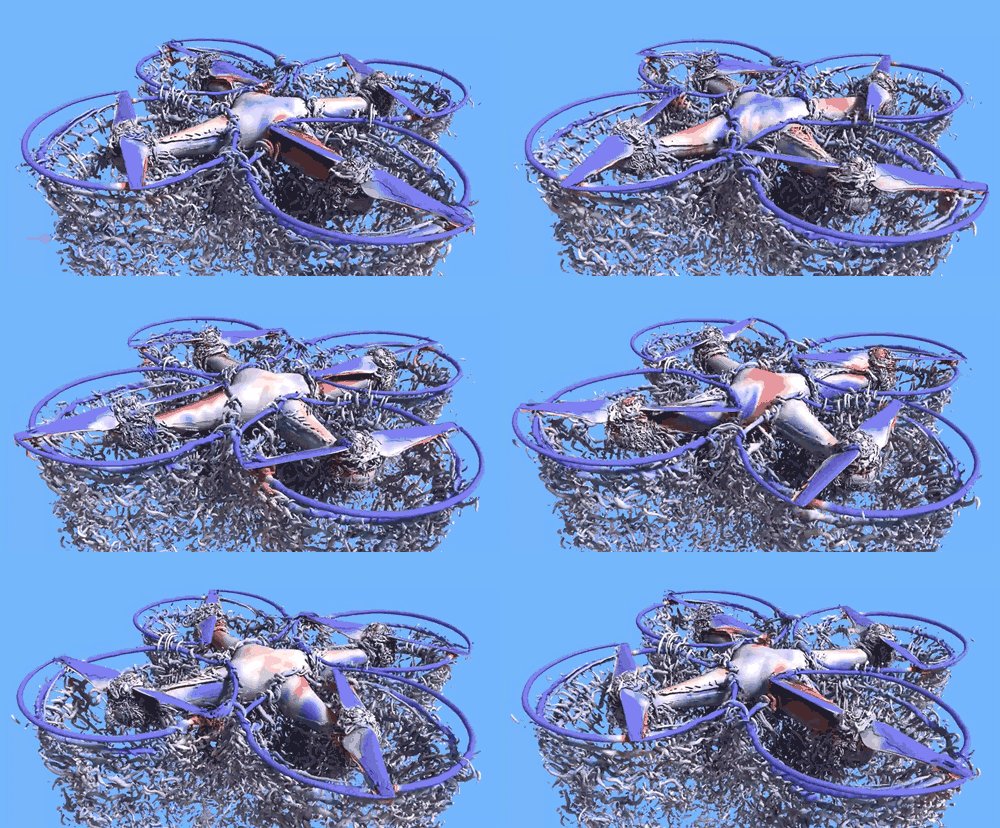
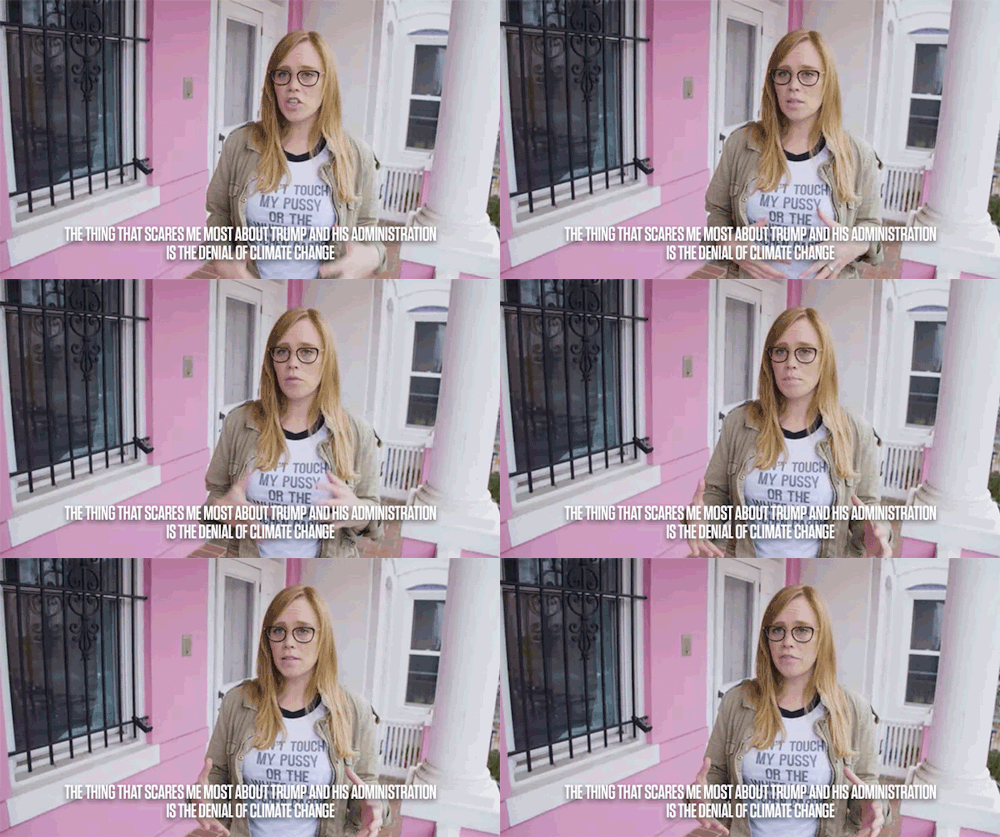
Already in 1590, the first optical microscope - two lenses in a tube - was developed, although it is hard to identify the original inventors. Technical improvements during the following centuries made microscopy very popular among the scientists. In 1903, Richard Zsigmondy developed the ultra microscope that made it possible to study objects below the wavelength of light. He was awarded the 1925 Nobel Prize in Physics.
Another improvement was made by Fritz Zernike in the 1930s, when he invente...
Continue reading...
Thrilling Toy and Important Tool - microscope!
Posted by Guest Editor on Friday, June 5, 2015 In : Top 10Hawaii Bans the Use of Plastic Bags
Posted by Guest Editor on Monday, April 7, 2014 In : NewsMicroEmpowering DIY Lava Lamp Workshop
Posted by Guest Editor on Thursday, June 13, 2013A Boon for Biofuels Research
Posted by Guest Editor on Wednesday, June 12, 2013MicroEmpowering Product Giveaway!
Posted by Guest Editor on Sunday, April 28, 2013EARTH DAY LOBBY DAY 2013!
Posted by Guest Editor on Thursday, April 18, 2013NASA Seeks Academic Partners for Smallsat Technology Collaboration
Posted by Guest Editor on Thursday, April 4, 2013Quantum Dots that Assemble Themselves Could Bolster Quantum Photonics and Solar Cell Efficiency
Posted by Guest Editor, NREL newswire on Tuesday, March 19, 2013 In : NewsReport Advises Utilities on Unintentional Islanding Risk for Distributed Generation
Posted by Guest Editor on Tuesday, March 12, 2013 In : NewsNASA Casts a Wide Net for STEM Education Partners
Posted by Guest Editor on Thursday, February 21, 2013Why upcycling is beneficial towards the environment?
Posted by Guest Editor on Friday, February 8, 2013 In : Guest BloggerFossil Fuels and the Rising Sea Levels
Posted by Guest Editor on Thursday, January 31, 2013 In : Guest BloggerCoral Reef Conservation
Posted by Guest Editor on Monday, January 21, 2013 In : Information gathered from the USA EPATurning Coal Into Clean Power
Posted by Guest Editor on Tuesday, January 8, 2013 In : Bloomberg Markets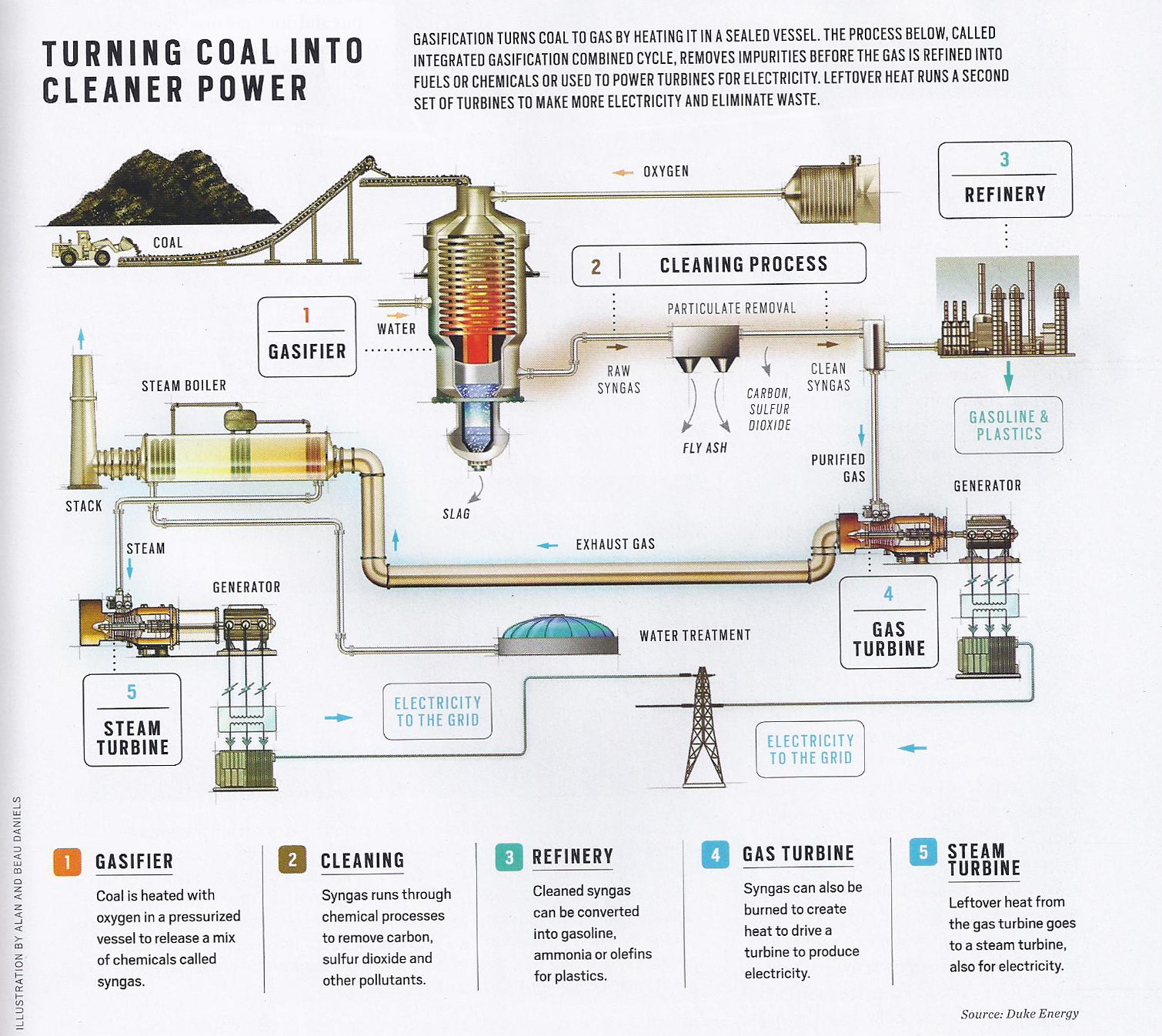
Geothermal Energy Part 2
Posted by Guest Editor on Thursday, December 27, 2012Geothermal Energy Part 1
Posted by Guest Editor on Sunday, December 9, 2012Learn About Food Waste
Posted by Guest Editor on Thursday, November 29, 2012US energy infrastructure needs help and mitigation plans
Posted by External article from The Christian Science Monitor - Weekly Digital Edition on Sunday, November 11, 2012 In : NewsNREL/DOE Launch New Alternative Transportation Web Tools
Posted by News Release NR-4212 on Friday, November 9, 2012 In : Guest BloggerLights Out in the Rockaways...
Posted by Guest Blogger on Tuesday, November 6, 2012 In : NewsBeyond Recycling - Go Green With Your Kids
Posted by Guest Author Donna DeForbes, http://eco-mothering.blogspot.com on Friday, October 26, 2012 In : Guest BloggerSchools Raise the Roof on Solar Energy
Posted by Guest Editor news from NREL on Wednesday, October 17, 2012 In : Guest BloggerDestruction of habitats and the increase of invasive species
Posted by Guest Editor on Tuesday, October 16, 2012 In : Guest BloggerBio Gas - Can You Use Poop to Power Your Car?
Posted by Guest Author Donna DeForbes, http://eco-mothering.blogspot.com on Tuesday, October 2, 2012 In : Must readHybrid delivery vans show nearly 20 percent higher fuel economy
Posted by Guest Editor on Monday, October 1, 2012 In : Must readMeet the Zero-Emission Bus (ZBus) Regulation
Posted by Guest Editor on Tuesday, September 25, 2012 In : Must read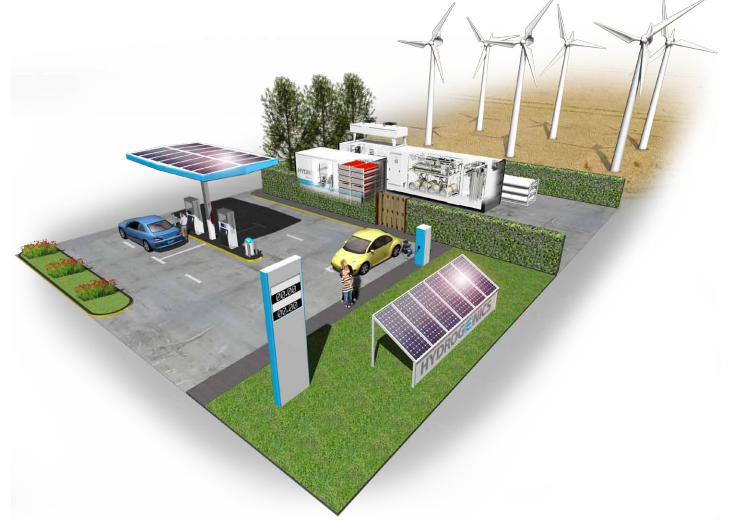
What is a Fuel Cell? How does it Work?
Posted by Guest Editor on Tuesday, September 18, 2012 In : Must readNew study: hybrid tractors demonstrated 13.7% higher fuel economy!
Posted by Guest Editor on Wednesday, September 12, 2012 In : NewsWhy Biodiversity Needs Conservation?
Posted by Guest Editor on Friday, August 31, 2012 In : NewsSustainability Initiatives That Pay Back!
Posted by Guest Editor, CFO data and article on Tuesday, August 21, 2012 In : Must read

Tags
africa air quality america and art biodiversity brazil business california carbon cars change children china clean clean energy cleantech climate climate change co2 coal collaboration community creativity csr data doe earth earthquake economy education electricity energy engineering entrepreneurs environment epa food for fuel fun gas green heat ideas impact investing in innovation japan london math methane mfi microfinance mitigation money nasa national new new york nrel nuclear nyu plastic policy poverty power press release prize radioactive recycle recycling resources rio+20 science socap social solar solar energy south steam stem stem education students summit sustainability sustainable sustainable development technology the to trade university us utilities washington waste water wind